Two offices can sit on the same street in Malta, share the same floor area and still lead to very different moving budgets and timelines. The difference usually comes down to one question that many first-time tenants only ask late in the process: is the space a shell, or is it ready to use? Getting this right early saves weeks of back and forth and keeps a relocation plan realistic.
This guide compares the main fit-out conditions you will meet when you look at commercial office space for rent in Malta, and explains how each one affects cost, timing and flexibility.
What "Shell" Usually Means in a Maltese Office Listing
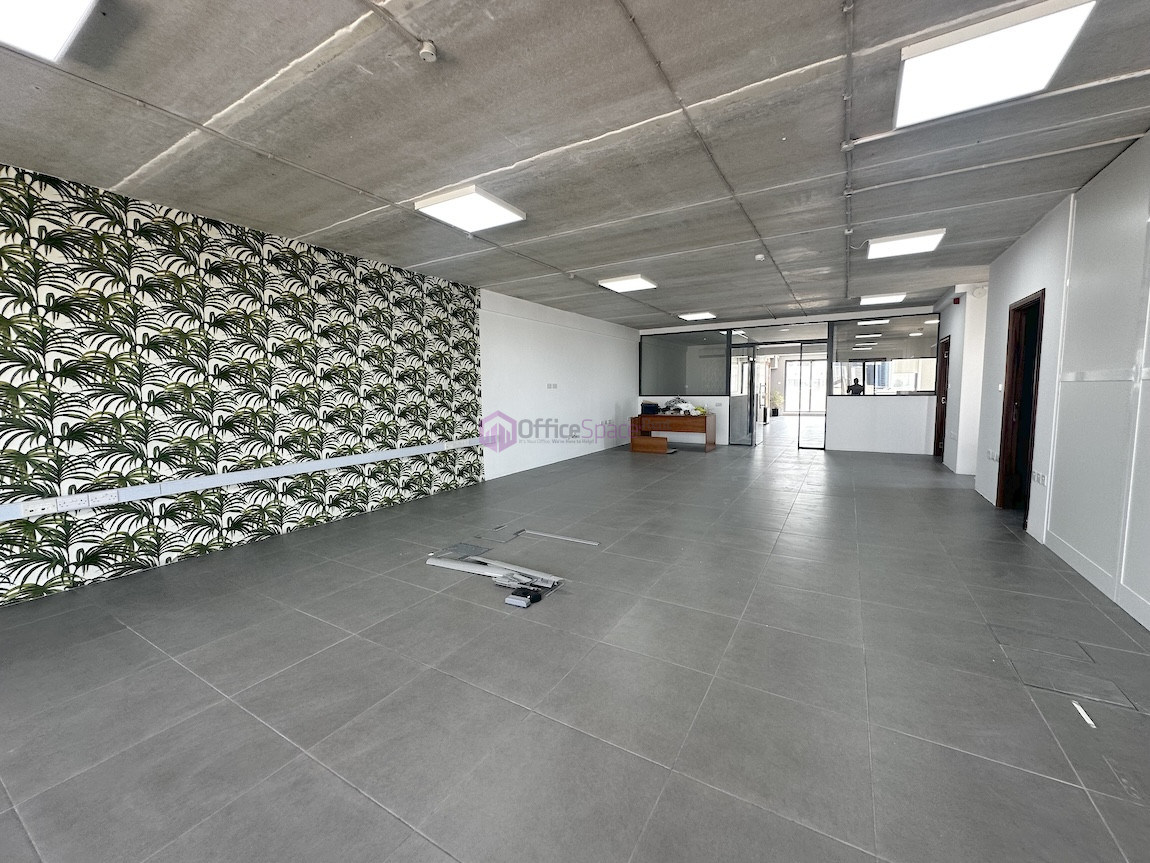
A shell office is the base structure delivered by the landlord. In practice that often means bare concrete or screeded floors, exposed ceilings, basic electrical supply to a distribution board and access to shared building services. There are no partitions, no lighting layout designed around your desks and often no finished bathrooms or kitchenette inside the unit.
Some landlords offer a "shell and core" product, where the common parts of the building are finished and the tenant area is left open. Others go a step further and add raised floors, false ceilings and air conditioning, then leave the internal layout to the tenant. The wording varies from one listing to another, so it pays to ask for a written description of what is included rather than relying on a single label.
Semi-Finished and Fully Finished Offices
Between the bare shell and a move-in ready office sits a wide middle ground. A semi-finished unit might include air conditioning, lighting, floor finishes and toilets, but no internal walls. That suits a business that wants an open layout or plans to add only a few meeting rooms.
A fully finished office arrives with partitions, ceilings, lighting, kitchenette and washrooms in place. Some are also furnished. These units are attractive for teams that need to move quickly, but the existing layout may not match how your people work, and changing it later can be costly.
Serviced Suites as a Separate Option
Serviced suites are a different product again. The tenant takes private, enclosed rooms inside a managed building and pays a monthly fee that typically covers furniture, cleaning, reception and some utilities. They suit short commitments and small teams, though the per-person cost tends to be higher than a conventional lease once the team grows.
How Each Condition Changes Your Budget
The headline rent is only part of the picture. With a shell unit, the tenant normally pays for design, partitions, electrical and data cabling, lighting, floor finishes, fire safety items and furniture. For many businesses that fit-out spend is larger than the first year of rent, so it should sit in the budget from day one.
Finished offices move much of that cost to the landlord, who recovers it through the rent. The monthly figure is higher, but the upfront outlay is lower and the risk of overruns sits with someone else.
When you compare offers, it helps to list every cost line side by side:
- Rent and the period it is quoted for (per month, per year, per square metre)
- VAT treatment, service charges and common-area costs
- Parking, if offered, and whether it is included
- Estimated fit-out cost and who pays for which items
- Security deposit (garanzija) and any advance rent
Never treat an unstated cost as zero. If a listing does not mention service charges or VAT, ask before you shortlist it.
Timelines: Why Shell Space Takes Longer
A shell office needs a design, quotes from contractors, approvals from the landlord and the fit-out works themselves. Depending on the size and complexity, that can add several months between signing and moving in. If your current lease ends on a fixed date, work backwards from that date and allow a buffer for delays in materials and trades.
Finished units can often be occupied within weeks of signing, once utilities are transferred and furniture arrives. That speed is valuable for a team facing an expiring lease or rapid hiring.
Rent-Free Periods and Fit-Out Contributions
Where a tenant takes on a shell and commits to a longer term, landlords sometimes agree to a rent-free period or a contribution towards the works. These terms are negotiated case by case, so they are worth raising early rather than after the main terms are agreed.
Planning and Permit Checks Before You Commit
Whatever the condition of the space, confirm that the property is approved for office use. In Malta, offices generally fall under Class 4A of the planning use-class framework, and the approved use, permit conditions and your intended activity together determine whether the premises are suitable. The Class 4A office permit checks are a sensible first step before you spend money on design drawings.
Fit-out works may also need their own approvals, particularly where structural changes, external signage or new services are involved. Your architect or contractor should confirm what is required for your specific plan.
Lease Length and Flexibility
The more you invest in a space, the longer you will want to stay to recover that spend. A shell fit-out often makes sense only alongside a longer firm period (di fermo), followed by a period in which termination may be possible under agreed notice terms (di rispetto). A finished or serviced option can work with shorter commitments, which suits businesses that expect their headcount to change.
Read the termination, notice and reinstatement clauses carefully. Some leases require the tenant to return the unit to its original shell condition at the end, which adds a cost many tenants forget to plan for.
Which Option Fits Your Business?
A simple way to decide is to match the space condition to your situation:
- Shell or semi-finished suits established firms with a clear layout in mind, a longer planning horizon and budget for fit-out.
- Fully finished suits teams that need to move fast and can work within an existing layout.
- Serviced suites suit small teams, project-based work or businesses testing the Maltese market before a longer commitment.
Whichever route you take, estimate your space needs first. A common starting point is roughly 10 to 12 square metres per person, adjusted for meeting rooms, storage and how often people are in the office.
Next Steps
Before you arrange viewings, write a short brief covering headcount, preferred locations, move-in date, budget for rent and fit-out, and any must-have features such as parking or natural light. Share that brief with a commercial office agency so the shortlist reflects the condition of space that actually fits your plans, and confirm every cost and permit point in writing before you sign.